

Arabel Lebrusan
JEWELLERY DESIGNER - ARTIST - ETHICAL JEWELLERY MOVEMENT PIONEER
"Arabel Lebrusan is the queen of ethical jewellery."
- Belinda Morris, Editor of The Jeweller
JEWELLER
Arabel Lebrusan embarked on her journey as a jeweller in the 1990s. In addition to a Goldsmith Diploma, she studied both Gemmology and Fine Arts at the Universidad Complutense in her hometown of Madrid; before going on to study an MA in Jewellery Design at London's Central Saint Martins in 2007.
Since 2009, Arabel has helped to pioneer conversations around responsible sourcing and sustainability in jewellery, shaping approaches that prioritise transparency, fair working conditions, and long-term environmental care.
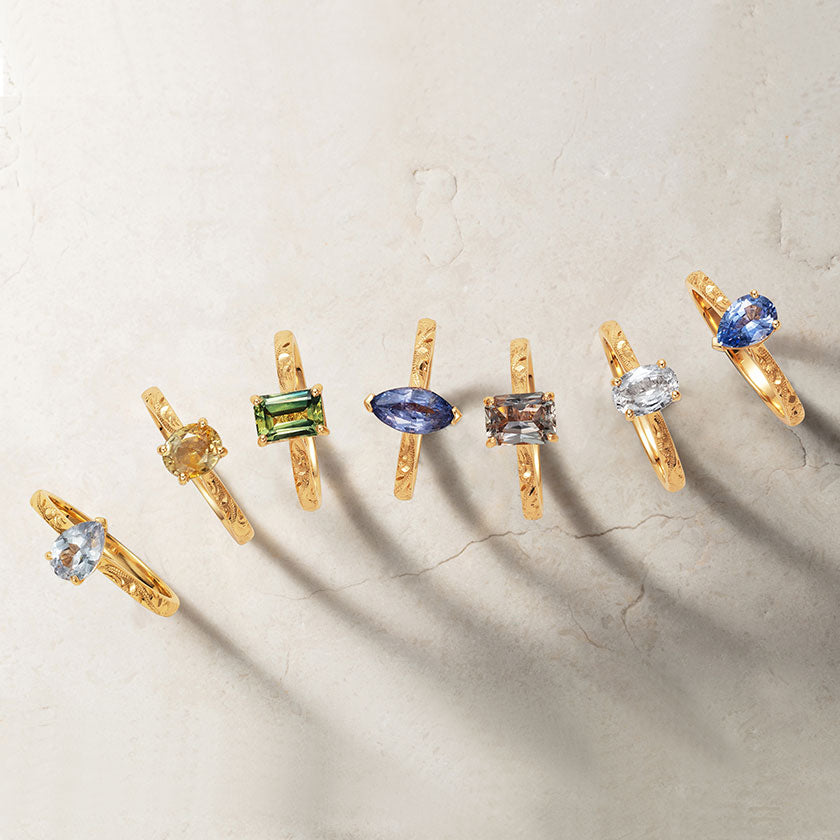
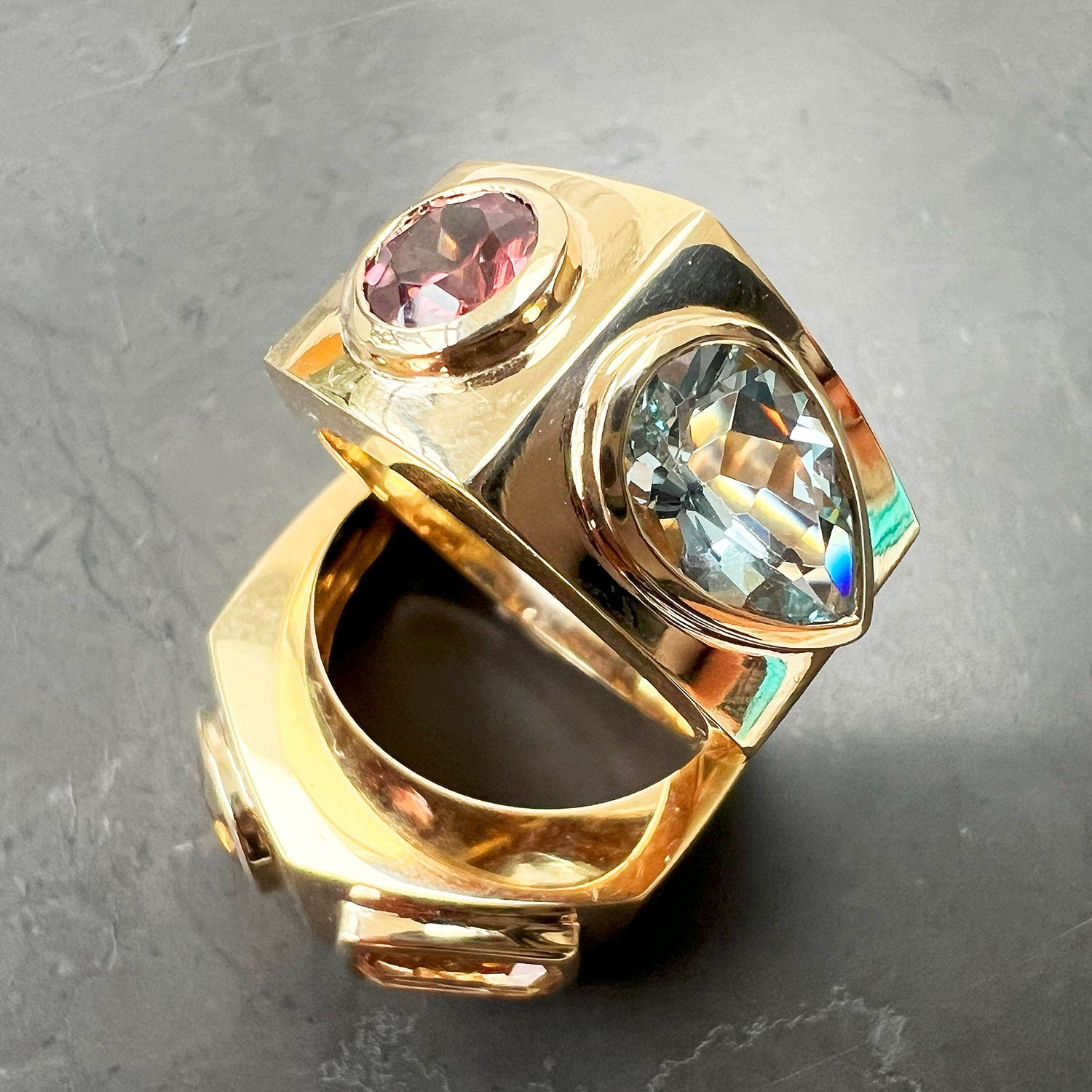
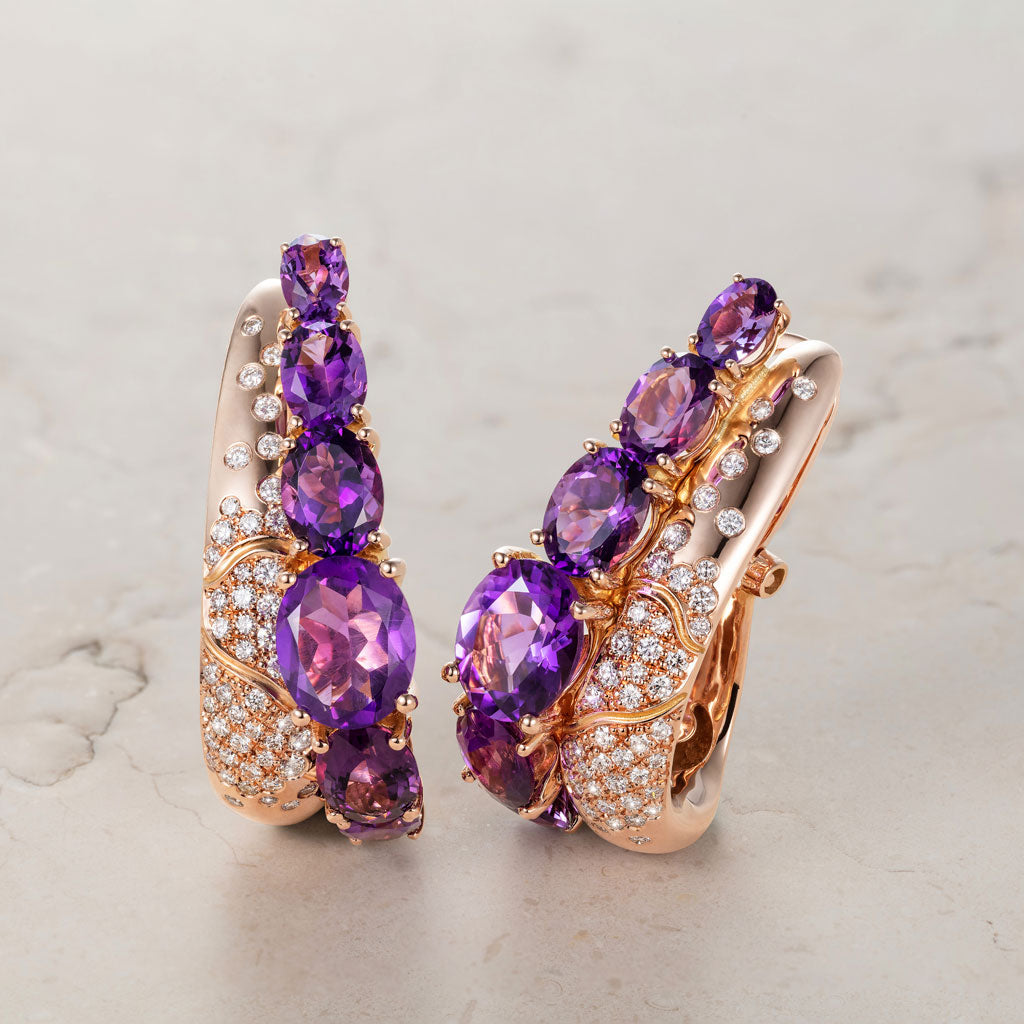
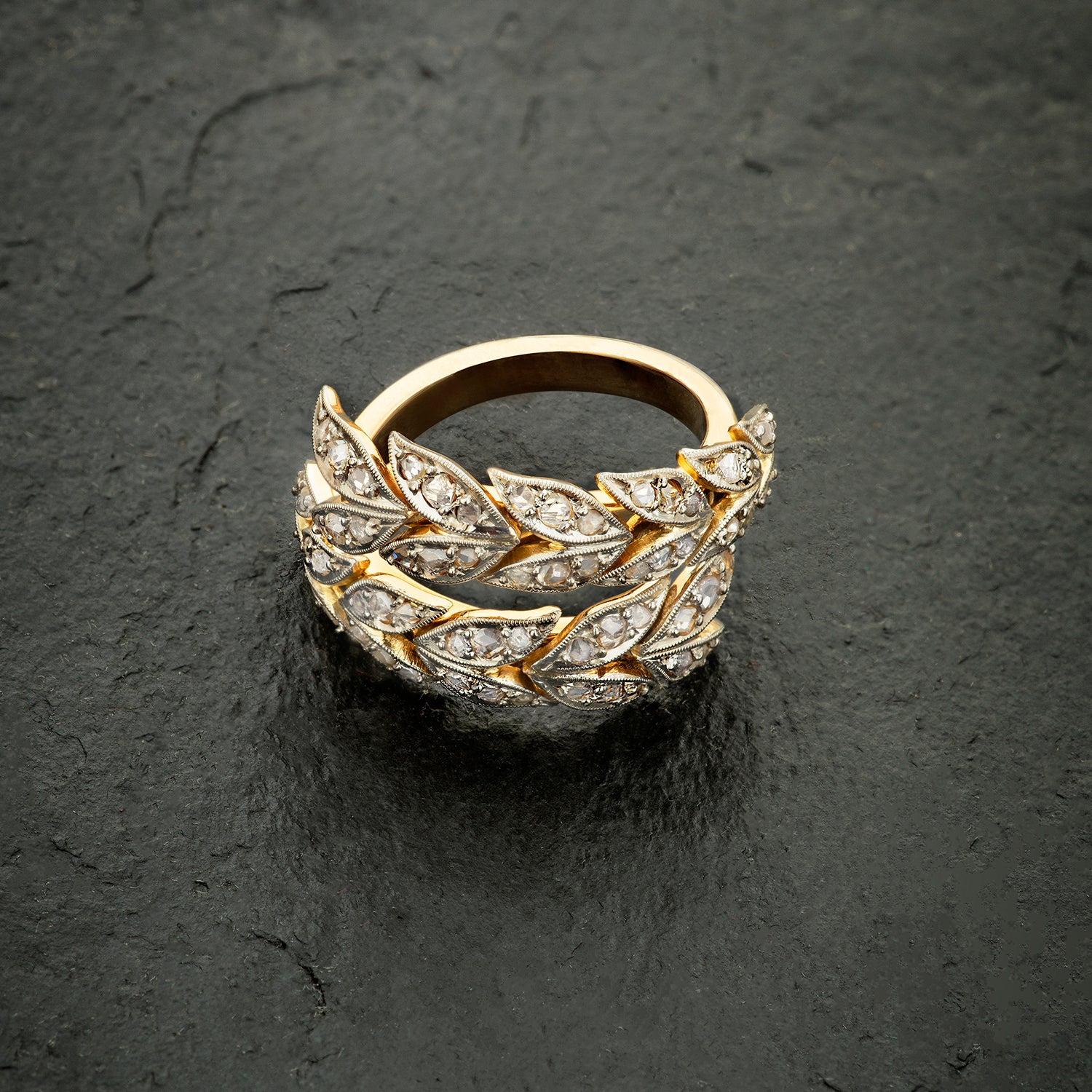
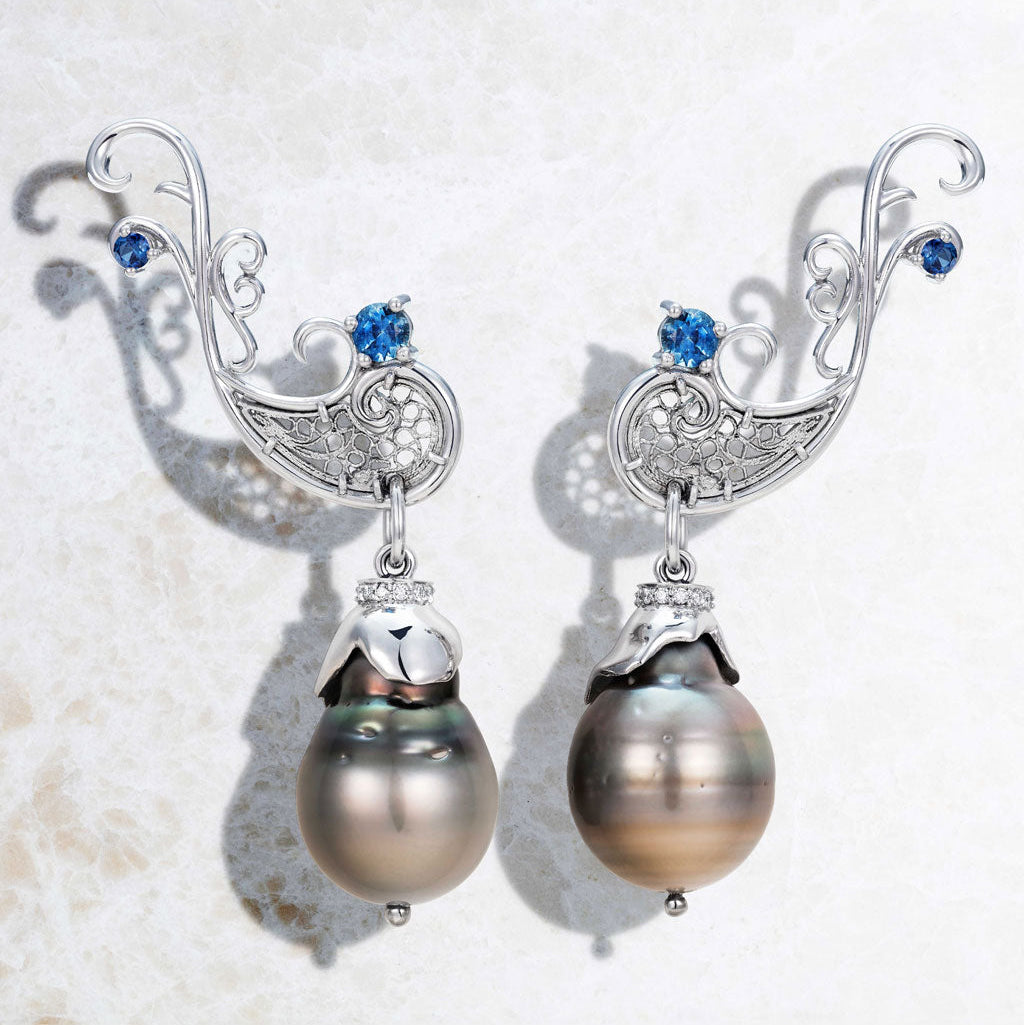
As Founder of her eponymous jewellery design studio Lebrusan Studio, Arabel designs engagement rings, wedding bands and unique bespoke commissions, brought to life by skilled craftspeople in London's Hatton Garden. She works exclusively with precious materials chosen for their history as much as their beauty, including Fairmined Ecological Gold, artisanal Ocean Diamonds, reclaimed vintage gemstones and Recycled+ metals.
EXPLORE ARABEL'S JEWELLERY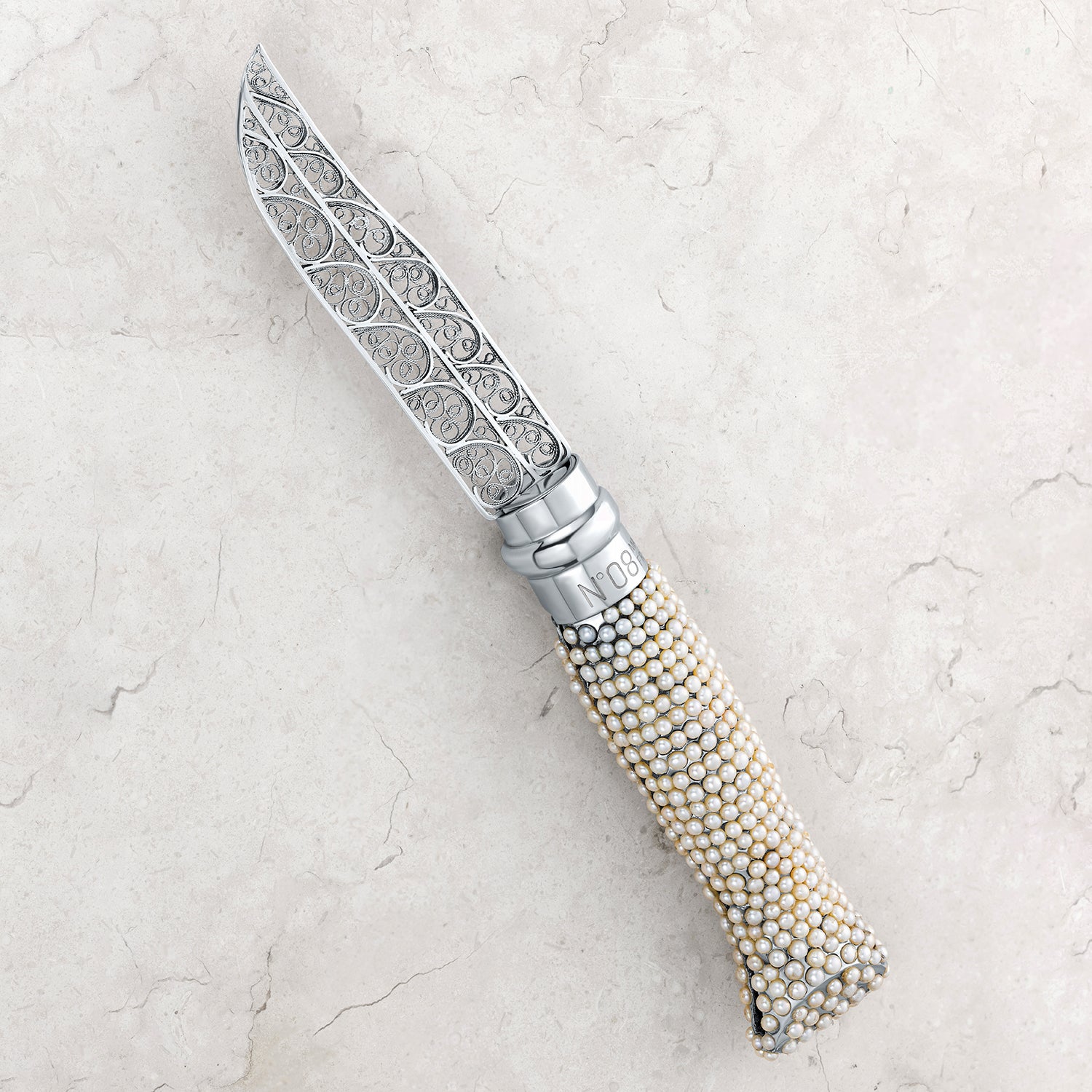
Artist
Intersectional to her role as a jewellery designer, Arabel Lebrusan is a contemporary sculptor working across object-based, installation and site-responsive practices.
Her practice explores the material and emotional entanglements between humans and land.
In 2021, Arabel was awarded a Research Fellowship at the Centre for Spatial, Environmental and Cultural Politics at the University of Brighton for her two-year project Toxic Waves. During her MA in Sculpture at the Royal College of Art (2023), she continued her research into extractivism through the lenses of ecofeminism, ecological grief and social history.
Arabel has exhibited and developed projects in galleries, museums, and public contexts in the UK and internationally.
Background
Arabel Lebrusan (1974) grew up in Madrid and studied Fine Art, Gemmology and Goldsmithing. After a few years spent working across the Netherlands and the Far East as a fashion jewellery designer, she relocated to London to study an MA in Jewellery Design at the prestigious Central Saint Martins in 2007. With a core research focus on ethics and sustainability, it was during this time that Arabel was told bluntly to her face by a London diamond dealer: "When you work in this trade you sell your soul to the devil."
Arabel's early experiences of the jewellery industry fuelled her desire to close the distance between beautiful objects and honest ones. In 2008, she co-founded Leblas, a contemporary designer jewellery brand and the first ever ethical jewellery boutique on London's illustrious Sloane Street. Following three years as Leblas' Designer and Creative Director, Arabel founded her very own ethical fine jewellery brand in 2011, eponymously named Arabel Lebrusan Jewellery.
In the same year, Arabel was specially selected as one of a small handful of jewellers worldwide to launch Fairtrade Gold. Later gaining Fairmined Ecological Gold accreditation too - as one of the only UK jewellers to hold both licenses at the time - Arabel went on to discuss her commitment to transparency and responsible sourcing in her 2014 TEDx Talk on ethical jewellery, which was the very first of its nature.
At the helm of her jewellery design studio - later rebranded as Lebrusan Studio in 2018 - Arabel's practice has long trodden the fine line between jewellery and art. Blunt Blades, for example, is a body of work exploring the transformation of police-confiscated knives into sculptures such as wearable rings; whilst The Book of Horrors and Hopes serves as a diary chronicling the stories Arabel has encountered throughout her 20-year jewellery career. Her work as an artist is intrinsically entangled with her work as a jewellery designer and qualified gemmologist, her art jewels largely conceived as responses to specific social injustices, ecological concerns and feminist viewpoints.
In 2021, Arabel was awarded a Research Fellowship at the University of Brighton with Toxic Waves, her two-year exploration of extractivism, ecofeminism and ecological grief through artistic expression. In 2023, she completed an MA in Sculpture at the Royal College of Art, where she now shares her philosophy on materials as a Visiting Lecturer.
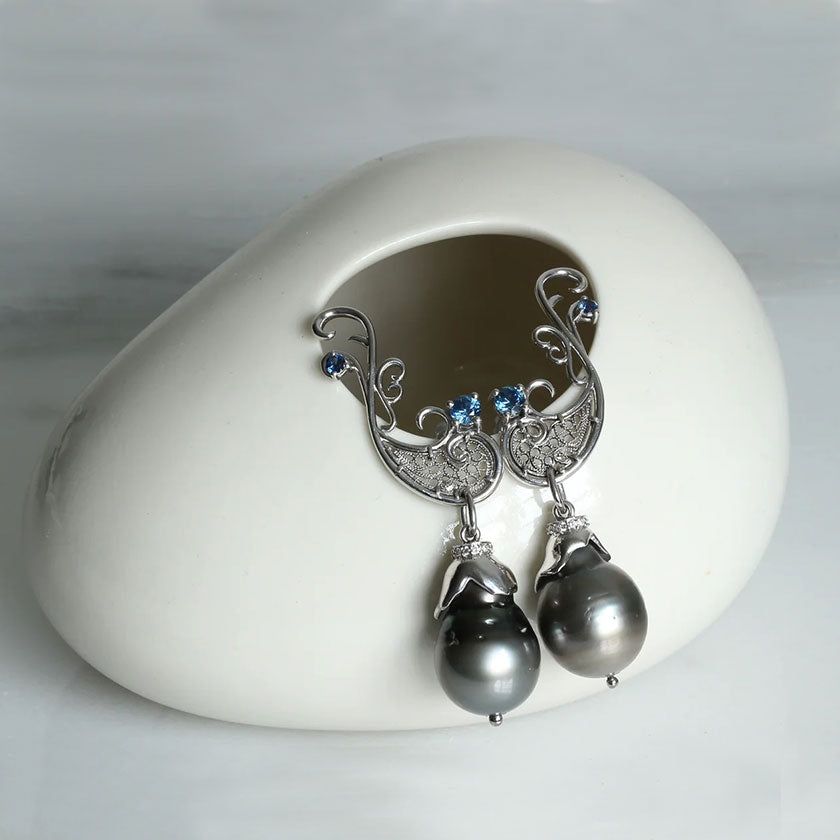
Arabel Lebrusan has twice been awarded Designer of the Year at the National Association of Jewellers Awards (2017, 2022); the same distinguished industry event that awarded Lebrusan Studio Corporate Social Responsibility Initiative of the Year in 2022 for its 'Lebrusan Studio Against Child Labour' fundraising campaign. For over a decade, Arabel's filigree jewellery has been worn by Queen Letizia of Spain. She is a founding member of the Fair Luxury campaign group, whose ground-breaking conferences and online webinars strive to standardise responsible practices within the jewellery industry.
Frequently Asked Questions
Fair Luxury is a UK-based campaign group advocating for transparent and responsible practice across the luxury jewellery industry. It was founded by a group of jewellers in 2016 on the conviction that fine jewellery - an industry built on the extraction of rare and precious materials from some of the world's most vulnerable communities - has a particular responsibility to account for its supply chains. Through its ground-breaking ethical jewellery conferences, webinars and award-shortlisted Pledge initiative, Fair Luxury shares knowledge and campaigns for certification, transparency and accountability.
Arabel Lebrusan is a founding member of Fair Luxury. Her involvement is an extension of the same position that shaped Lebrusan Studio from the beginning: the belief that beauty and responsibility are not opposing, and that an industry which pretends otherwise is making a choice to shirk responsibility. Through Fair Luxury, that argument is made not just through individual practice but through collective pressure on the industry's larger players, its trade bodies, and its regulators.
Art jewellery is jewellery in which the making carries meaning beyond the object itself - where the choice of materials, the process of creation and the conceptual thinking behind the work are as present as its final physicality. Art jewellery walks the continuum between adornment and art practice, refusing to resolve neatly into either box.
For Arabel Lebrusan, this boundary is largely blurred. Though articulated in different languages, her jewellery and her sculpture share a common root: a sustained attention to matter, where it comes from, those whose hands have touched it, and the various states in which it has existed.
What distinguishes art jewellery from highly designed jewellery, however, is function. Whilst jewellery is usually designed to serve its wearer, art jewellery serves an idea. Occasionally, Arabel's art jewellery tends to both purposes simultaneously; more often, it is not designed to be worn at all.
Fairtrade Gold is a certification scheme developed by the Fairtrade Foundation for gold mined by artisanal and small-scale mining communities. It guarantees a minimum price for the gold, a Fairtrade premium paid directly to the mining organisation to invest in community development, and independently audited standards covering safe working conditions, fair wages and environmental responsibility.
The scheme emerged in 2012 from a recognition that the vast majority of the world's gold miners work in small-scale operations - often without protective equipment, access to fair markets, or any share in the value of what they extract.
Arabel Lebrusan was among the first jewellers in the world to offer Fairtrade Gold, and played a founding role in bringing the certification to the UK jewellery market. She later moved exclusively to Fairmined certification - a parallel scheme developed by the Alliance for Responsible Mining, which she holds at both standard and Ecological level - because it most closely reflected the studio's sourcing standards and the communities it works with directly.
The Fairmined Standard is a certification system that empowers artisanal and small-scale mining organisations by setting strict benchmarks for social development, environmental protection, safe labour conditions, formal legality and supply chain traceability. Arabel Lebrusan has held Fairmined certification since 2011, later adding Fairmined Ecological Gold accreditation. What makes Fairmined Ecological Gold a different entity is the additional step it takes beyond baseline regulations for managing toxic chemicals; it goes as far as ensuring zero toxic chemicals are used in extraction and processing. Organisations with Fairmined Ecological Gold certification must also actively rehabilitate native ecosystems. For buyers like Arabel, funding these stricter ecological practises means paying a higher premium for Fairmined Ecological Gold (approximately 50% more than standard Fairmined Gold.)
As a trained gemmologist and founding voice of the ethical jewellery movement in the UK, Arabel Lebrusan's answer is yes. In the case of vintage old-cut diamonds, which were cut by hand, a reclaimed stone is an opportunity to invest in a fragment of history, enjoying the quiet depth of sparkle and unrepeatable character that modern machine-cut diamonds cannot emulate. More broadly speaking, opting for any recycled diamond means avoiding new extraction altogether, which is often preferable for those seeking jewellery that is minimal in environmental impact. Whilst reclaimed diamonds are not as easily traceable as newly mined diamonds, Lebrusan Studio can always guarantee their recycled nature with 100% certainty and can offer documentation on the cut, clarity, colour and carat weight of many of its pre-loved stones.
Arabel Lebrusan's TEDx Talk was hosted by TEDxBedford in 2014, and was the very first talk on ethical jewellery beneath the TED Talk umbrella. In spite of a well documented genocide in Sierra Leone back and chemical spillage on the Somes River in Romania during the early 2000s, Arabel observed that ethical dilemmas around the sourcing of precious materials were still not a driving force in the decisions of consumers. At the time of delivering, 'sustainability,' 'traceability' and 'origin of materials' were novel words within the jewellery sector. Long before ethical jewellery began to trend, Arabel Lebrusan's TEDx Talk highlighted the environmental destruction and human rights violations embedded in traditional, untraceable jewellery supply chains. She urged consumers to leverage their purchasing power to demand transparency and drive systemic change towards a more ethical industry.