
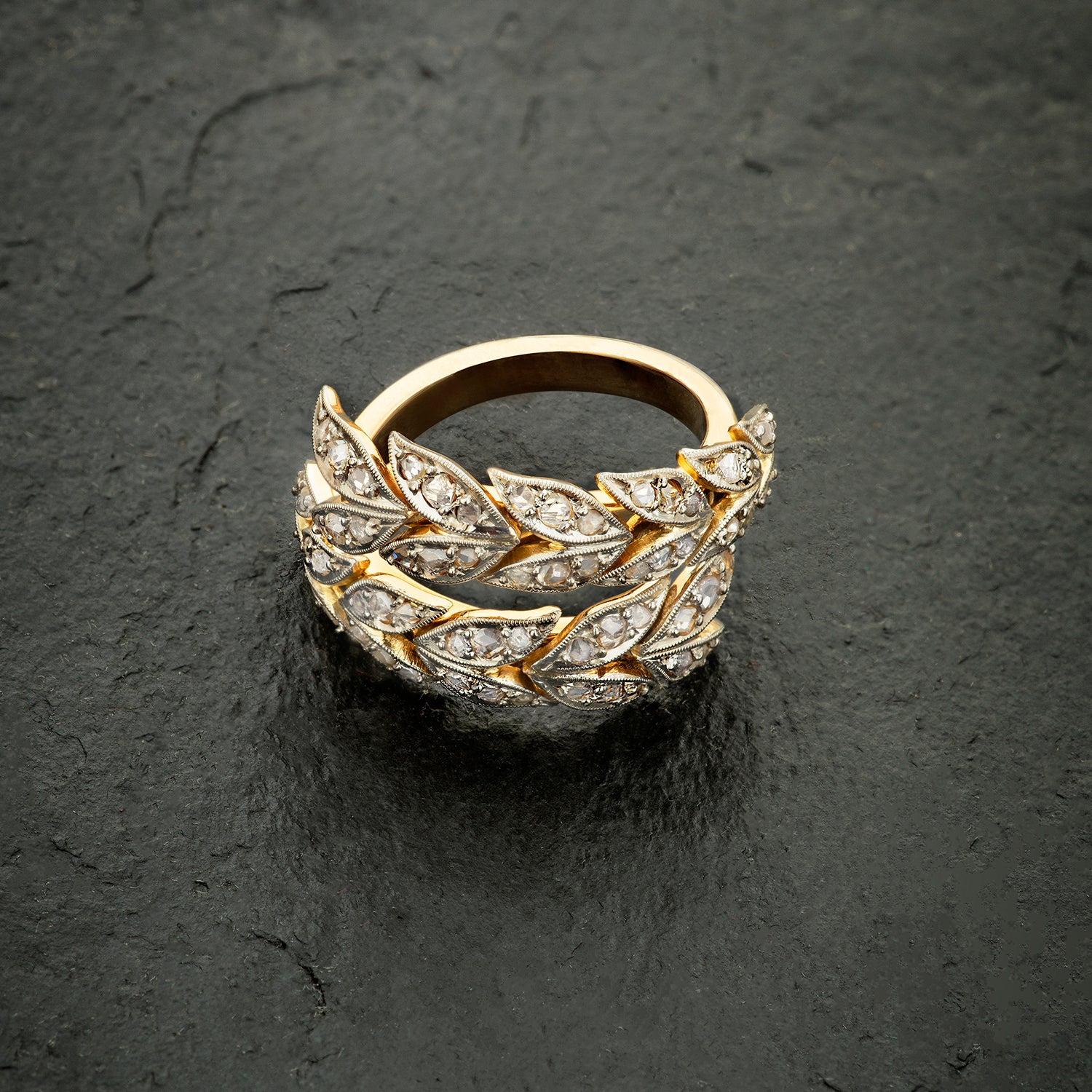

Jewellery Craftsmanship
Rooted in London, shaped by British and European craft
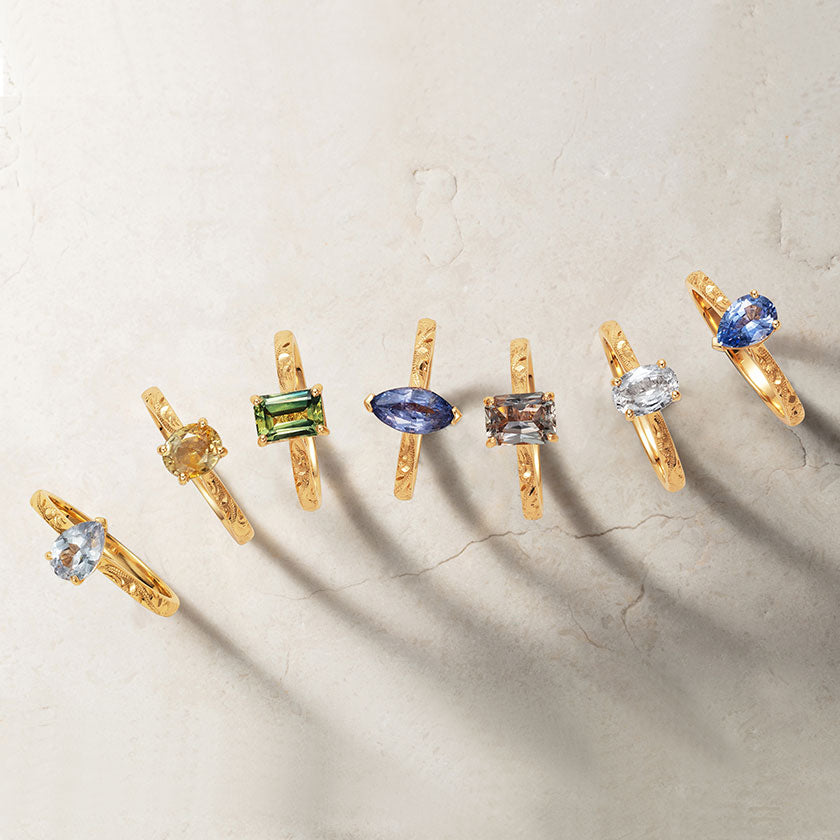
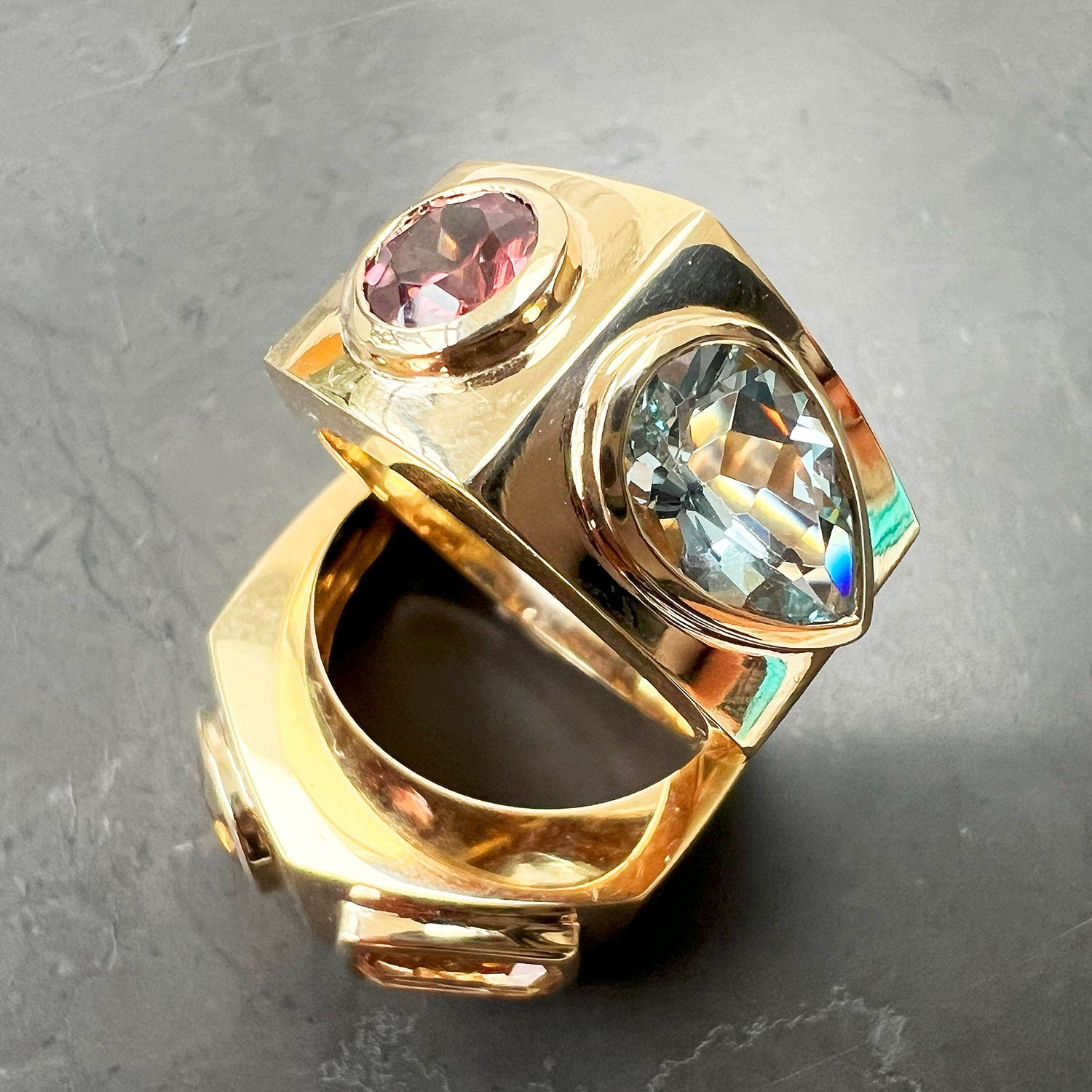
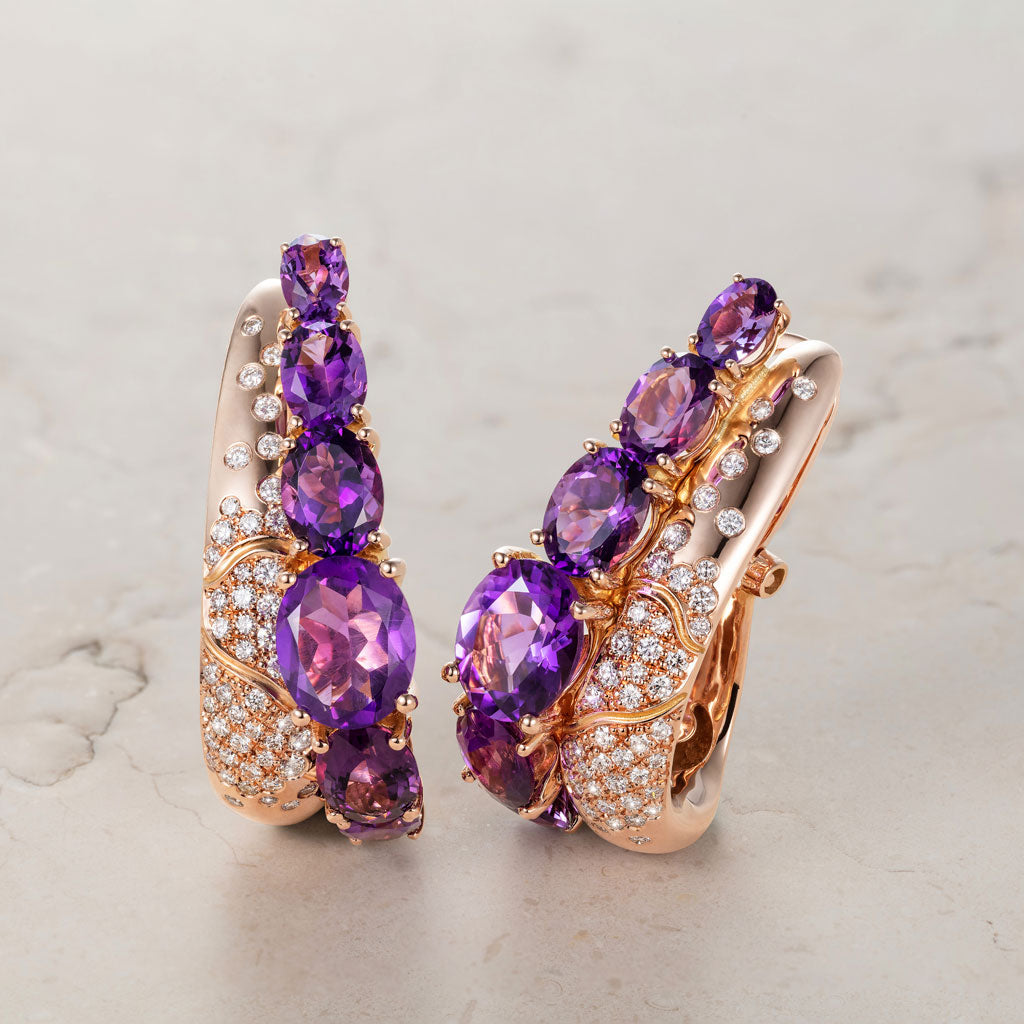
Lebrusan Studio jewellery is authored and directed from our London studio and created through close collaboration with a small network of skilled craftspeople in the UK and Europe. Each piece begins with design decisions made by Arabel Lebrusan and is brought to life through careful, small-scale making that prioritises skill, responsibility, and time.
“The story a jewel tells is just as much of its journey to existing as of the final product. Whether time-honoured techniques that uphold centuries of tradition or contemporary technological innovations that push the limits of design, our craft processes are considered and detail-oriented.”
- Arabel Lebrusan, Founder
Jewellery here is not made in isolation. It develops through dialogue between design and making, drawing and material, tradition and innovation. This is not industrial production, but a considered practice shaped by hands, knowledge, and judgement rather than speed or volume. Craft is not a final step; it is embedded throughout the process.
BRITISH AND EUROPEAN CRAFTSMANSHIP
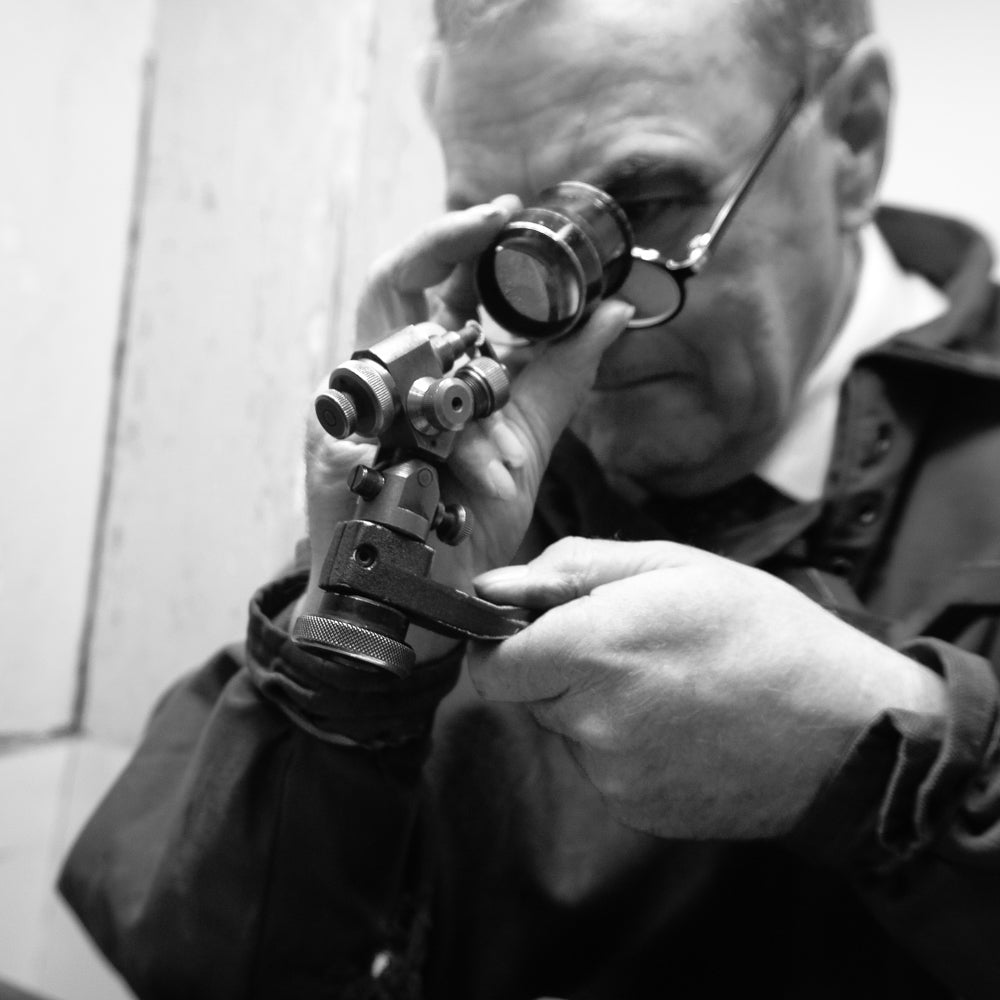
Great Britain boasts a remarkable history of jewellery craft. From diamond polishers removing minute flaws - a painstaking process requiring intense concentration and experience - to mounters setting stones into precious metal on a microscopic scale, the people behind our jewellery uphold centuries of cultural heritage and tradition.
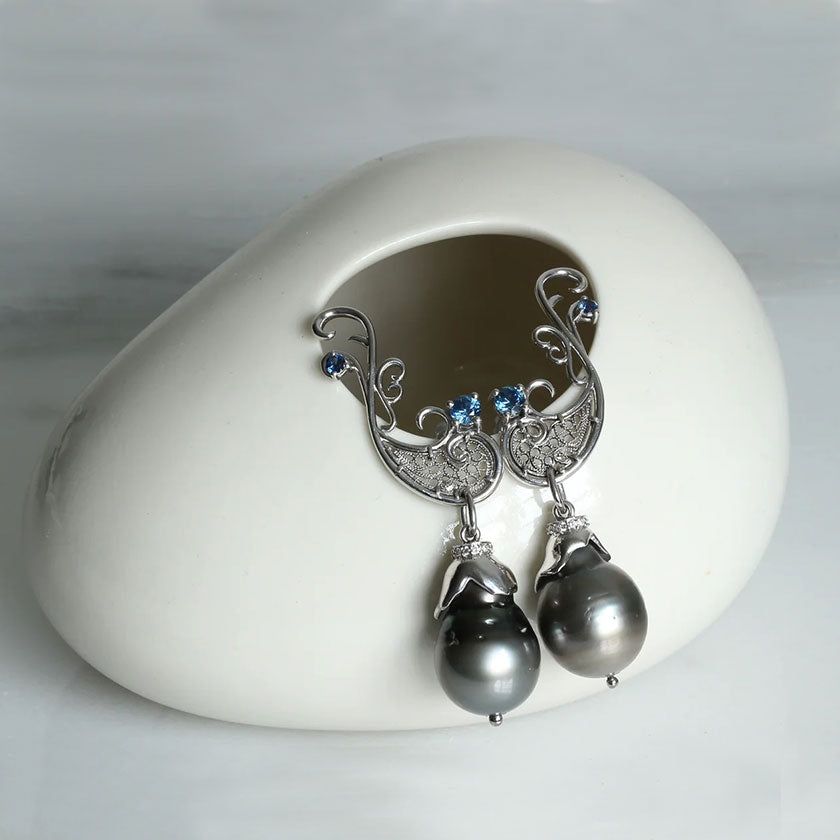
Alongside British making, Arabel’s Spanish roots are present in her filigree jewels. These pieces are created by expert craftspeople in family-run workshops along Spain’s historic Via de la Plata, where skills have been passed down from one generation to the next. Until his recent retirement, Arabel had worked with master filigree artisan Lorenzo for over 15 years. Created by hand and showcasing the best of traditional Spanish craft, her filigree jewels are prized, intricate and deeply rooted in place.

Local craft, sustainability & continuity
Local craft matters not only for quality, but for sustainability. With the majority of our manufacturing processes taking place within close proximity of the London studio - and much of the transportation carried out on foot - working locally allows us to minimise unnecessary movement and reduce our environmental footprint.
Good making takes time. Pieces move slowly between hands, allowing space for judgement, refinement, and care at every stage. This approach applies equally to engagement rings, bespoke commissions, and studio editions - jewellery made to be worn, lived with, and passed on.

Created in the UK
We’re proud members of the National Association of Jewellers’ Created in the UK scheme, established to champion British jewellery production and local provenance.
For us, joining the scheme was a natural extension of how we already work. Created in the UK allows us to communicate clearly where our jewellery is made, while reinforcing our ethical and sustainable framework. It reflects authorship, accountability, and the upholding of traditional craft skills within the British jewellery industry.
Our engagement rings, wedding bands, and the majority of our bespoke commissions are created entirely in the UK. First designed by Arabel, each piece is finished in Hatton Garden, London’s historic jewellery district, before being hallmarked at the Assay Office with the London leopard’s head.
Like a badge of honour, qualifying pieces also bear the Created in the UK mark alongside their hallmarks, offering additional assurance of provenance and authenticity.

