

What is filigree jewellery? The ancient Spanish craft explained
Filigree is one of the most ancient of jewellery-making techniques, with the earliest examples from ancient Mesopotamia dating back over 5,000 years.
.

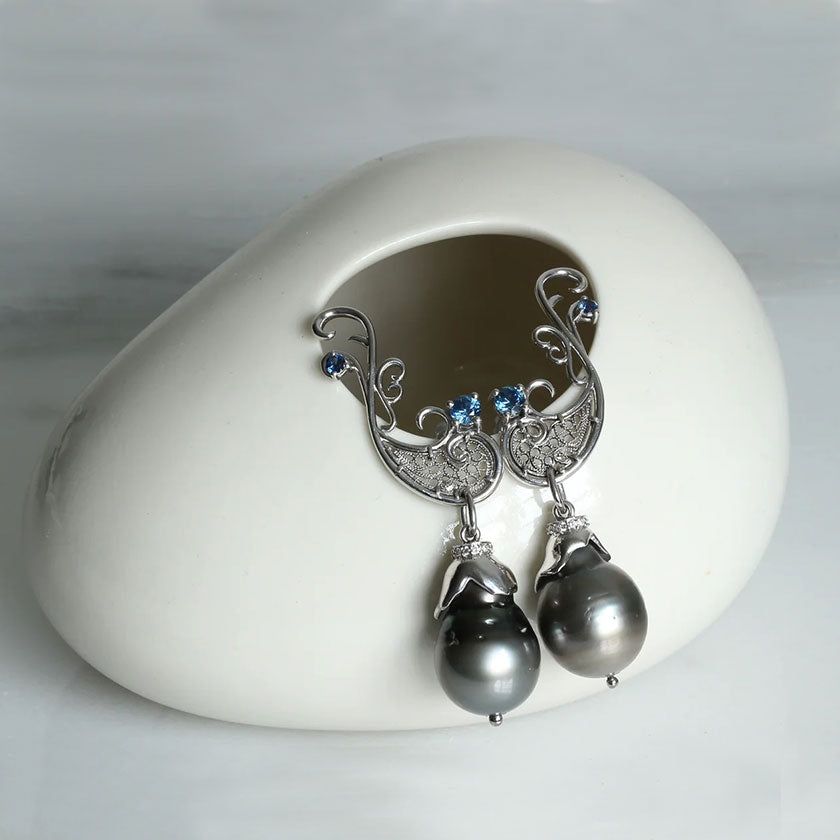
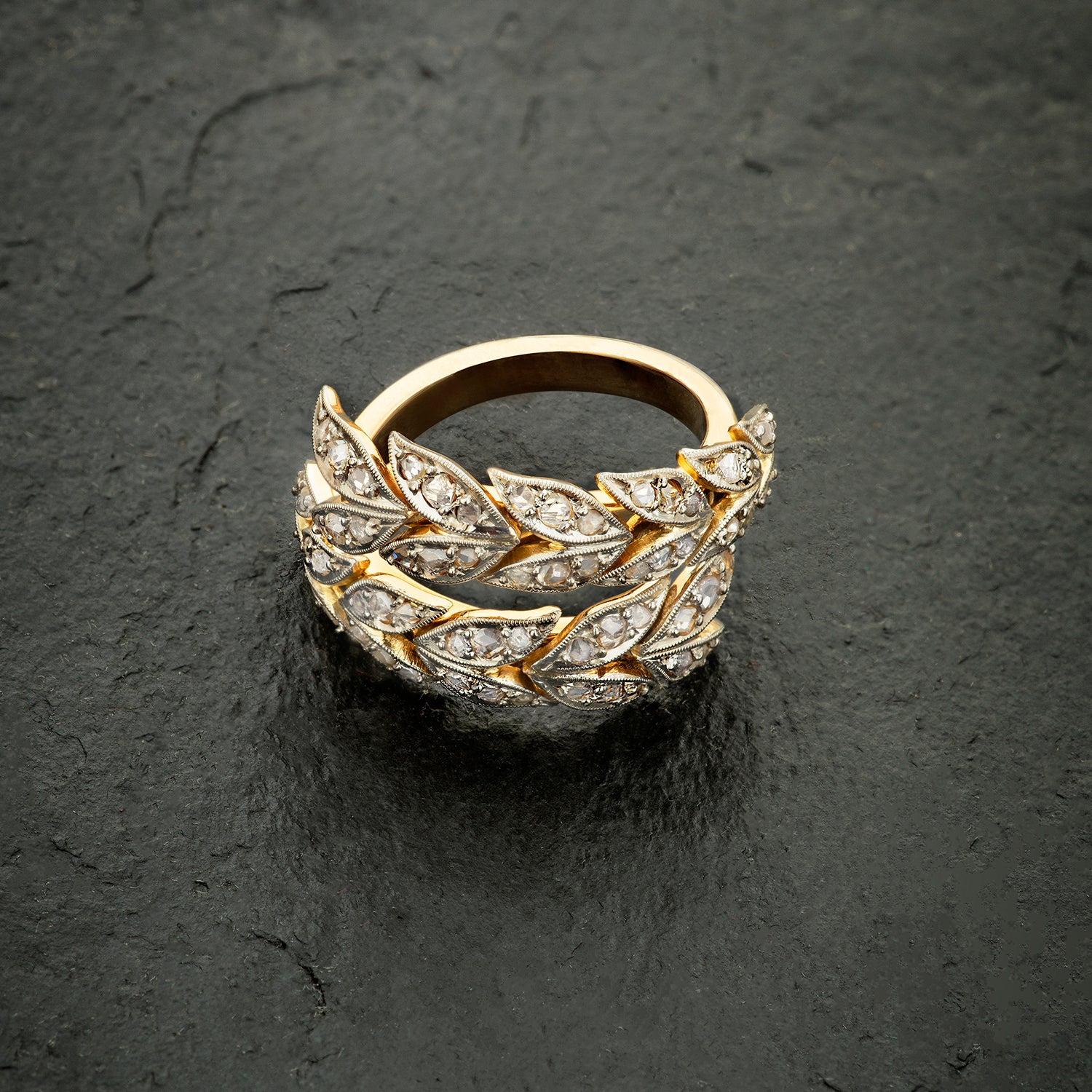
This extraordinary craft, often mistaken for hand engraving, is actually the very opposite. Filigree technique doesn't involve sculpting or carving; instead it's the delicate process of weaving together fine, pliable threads of precious metal. Filigree designs can vary from simple and minimalist geometric forms, through to extremely ornate patterns reminiscent of silky feathers and intricate spiders' webs. Small metal wires, soldered together, link the patterns together to create larger pieces.

A craft rooted in ancient history
The word is rooted in my very language, from the Spanish word filigrana, which means to spin the grain or fibre - and the skill has an impressively long pedigree, dating back thousands of years. The unearthing of ancient jewellery worn by the ancient Greeks, Etruscans and Mesopotamians confirms it as one of those timeless trends that is still as popular now as it was among the fashionistas of 3000 BC.
Embraced by lots of different cultures, from India and Egypt, to the Mediterranean and Northern Europe, this ancient art form became particularly popular here around the turn of the century. The Edwardians were big fans and the fashionably feminine ladies of the time frequently adorned themselves in light and flowy lace-like filigree designs.
Take a wander through any antique jewellery market today and you will almost certainly find examples dating back to this period, as well as a lot of Art Deco pieces too. Filigree from this particular era incorporated tiny cut outs and had a much more statement-making, geometric feel. I once found an exquisite little filigree butterfly, meticulously made in silver, nestled amongst some badly made fakes at a flea market. Ever since, filigree has been the source of inspiration for so many of my designs.

How filigree jewellery is made
What makes filigree so distinct is that it cannot be cast or made from a mould. Every piece begins with metal wire - drawn out by hand into threads so fine they can be thinner than a human hair. These threads are then carefully bent, coiled and twisted, often over a framework, into the desired pattern. Once the design is assembled, each individual element is soldered together with extraordinary precision. A single piece can involve hundreds of individual wire components, each one placed by hand.
Designing filigree jewellery feels like you are drawing with a metal wire instead of a pencil. It's such a versatile technique and the end result has an unmistakably handcrafted feel. Every piece is unique and carries the personality and hallmark of the person who created it. This is not a craft you can rush, or replicate by machine. It demands patience, years of practice and an almost meditative level of concentration.
The living Spanish tradition
While filigree has touched almost every culture across history, it is in Spain that I feel its pulse most strongly. I grew up surrounded by this craft. The word itself is Spanish, but more than that, the tradition is still alive in small family workshops scattered across western Spain, many of them clustered along the Via de la Plata, an ancient commercial pilgrimage path that crosses the peninsula from north to south.
It is there that I found Lorenzo, the master artisan who brings my filigree collection to life. Lorenzo has spent his entire working life in one of these small workshops, learning from his father, who learned from his. He works with recycled silver, using tools and techniques that have not changed in centuries. Watching him work is like watching someone embroider with metal - unhurried, instinctive, completely absorbed.
This is a tradition under real pressure. The number of artisans who still practise true handmade filigree at this level is shrinking. Many of the old workshops have closed. Lorenzo and his contemporaries represent something genuinely rare, and for me, collaborating with him has always been about more than making beautiful jewellery. It is about keeping this knowledge alive and ensuring the craft passes to another generation.
My love affair with authentic filigree means I insist on giving my own creations authenticity by using only skilled master craftsmen to bring them to life. For me it feels more authentic that way and my collections can feel fresh and relevant, without losing that unmistakably vintage, folkloric feel.
Pieces from our filigree collection have even been worn by Queen Letizia of Spain, which tells you everything about the calibre of Lorenzo's work.
What to look for in filigree jewellery
Not all filigree is created equal. Genuine handmade filigree has a quality that is immediately apparent when you hold it - a lightness, a slight irregularity, a sense that a human being made every decision about every wire. Machine-made or laser-cut pieces can replicate the look from a distance, but they lack that quality entirely.
When buying filigree, look at the solder joints. In a well-made piece they are neat and almost invisible. The wires should flow naturally into one another, not look stamped or pressed. And the piece should feel surprisingly light for its size - that airiness is part of what makes filigree so special.
The Lebrusan Studio filigree collection
Our silver filigree rings, bangles, earrings and necklaces are all handcrafted by Lorenzo in Spain using 100% recycled silver. Each piece is a collaboration between his generations of knowledge and my own design sensibility — something old and something new at the same time.
If this is a craft that speaks to you the way it speaks to me, I would love for you to explore the collection. These are not fast fashion pieces. They are jewels made slowly, by hand, with intention — and they will last a lifetime.
Explore the filigree collection →


Written by arabel lebrusan